3066 km
Distance tracked
10 days
Trip duration
4×4
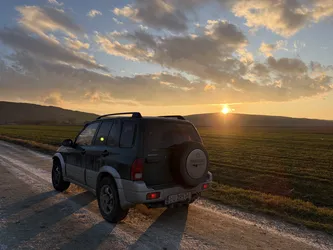
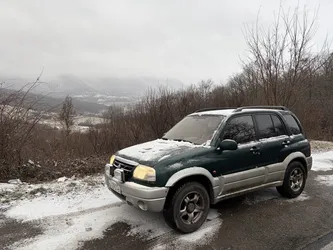
Vehicle
Room
Accommodation
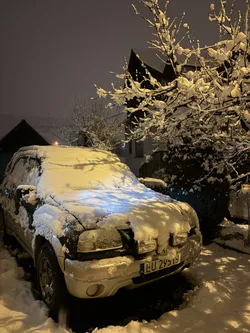
Winter Romania
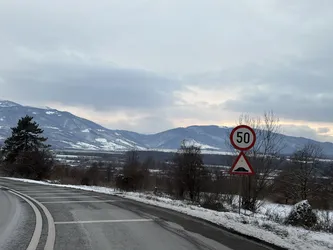
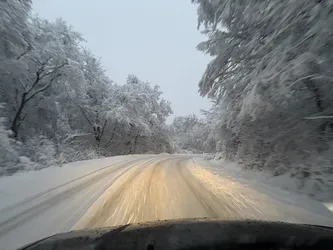
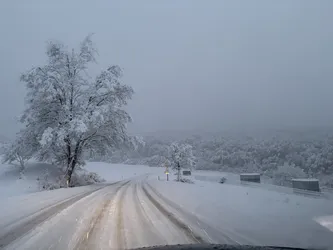
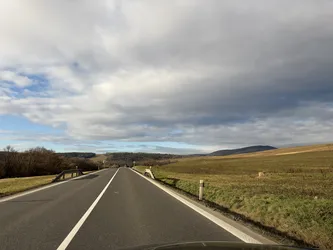
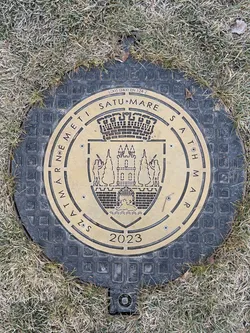
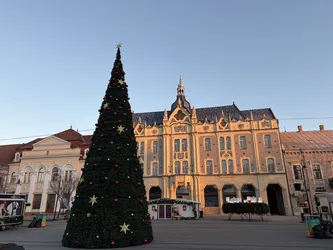
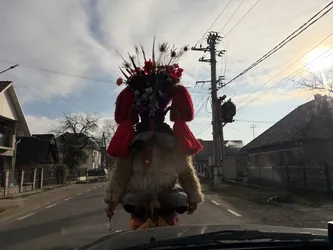
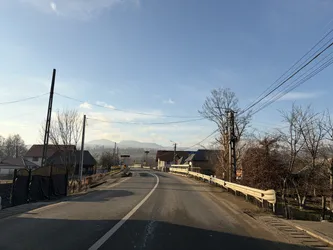
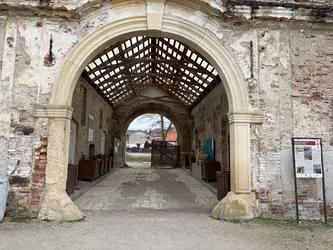
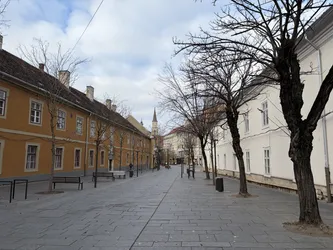
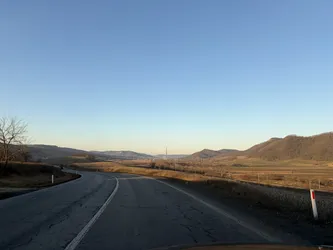
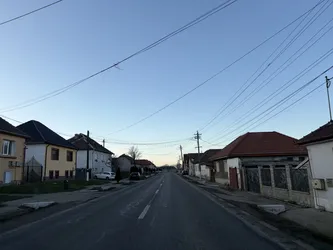
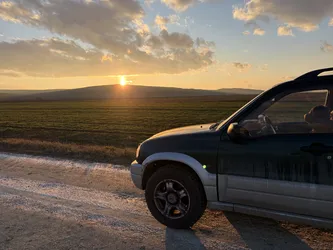
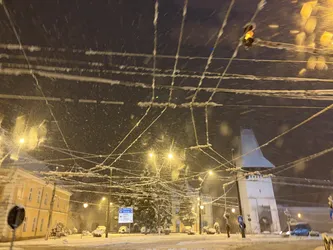
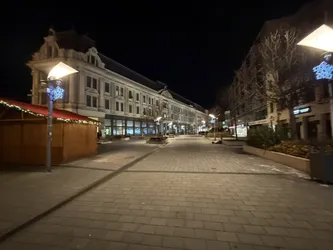
Right after Christmas, we set off on a winter road trip to Romania. On the first day, we managed to drive from Lublin all the way to Satu Mare, avoiding both highways and toll roads. Early the next morning, we explored the city’s historic center, shaped by Austro-Hungarian influences and known for its eclectic architecture, including the 19th‑century Firemen’s Tower and the elegant administrative buildings surrounding the central square.
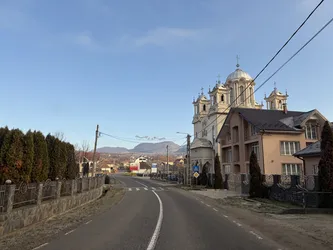
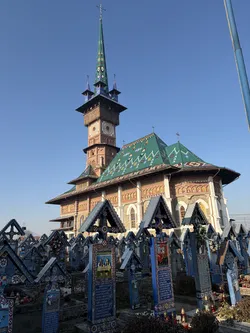
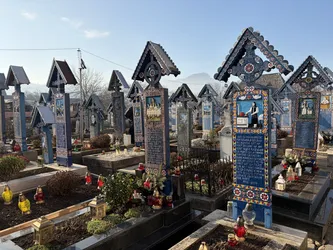
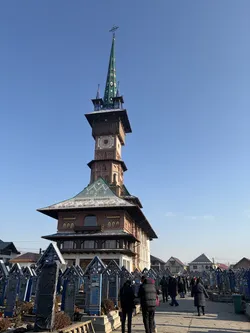
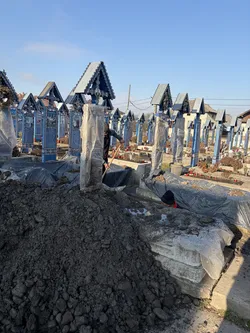
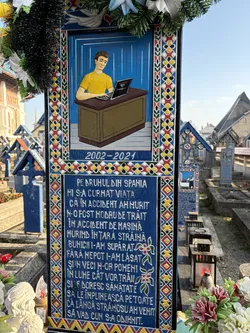
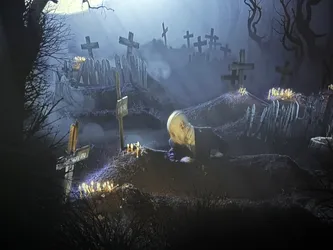
From there, we headed toward Maramureș, one of Romania’s most traditional regions, famous for its wooden churches, folk culture, and rural landscapes that seem frozen in time. Our first major stop was Săpânța, home to the world‑famous Cimitirul Vesel (Merry Cemetery). This unique open‑air museum of carved wooden crosses, painted in vivid blue and decorated with humorous epitaphs, reflects a local philosophy that treats death with irony and storytelling rather than sorrow.
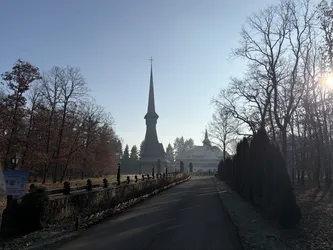
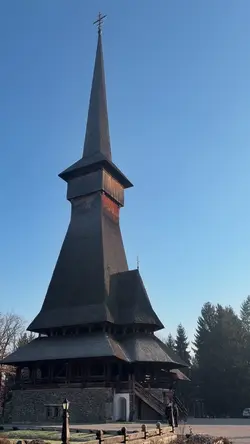
Nearby, we visited the impressive Mănăstirea Peri‑Săpânța, a modern reconstruction inspired by the medieval Peri Monastery, once one of the most important religious centers in the region. Its towering wooden spire—over 70 meters high—makes it one of the tallest wooden structures in Europe. The misty weather and the sound of liturgical chanting created an unforgettable atmosphere.
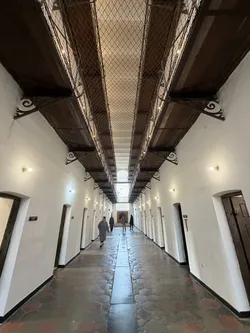
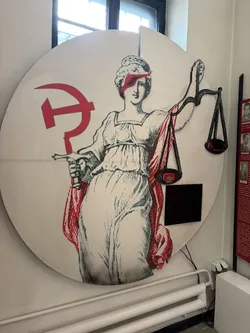
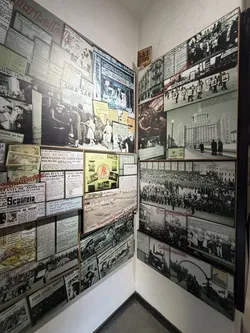
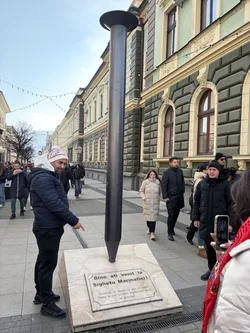
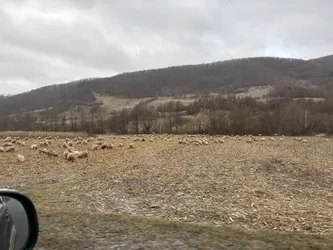
Continuing through the rolling hills of Maramureș, we reached the Memorialul Victimelor Comunismului și al Rezistenței in Sighetu Marmației. Located in a former political prison, the memorial documents the harsh realities of communist repression in Romania. Its preserved cells, personal testimonies, and historical exhibits offer a sobering look at the lives of political prisoners and dissidents.
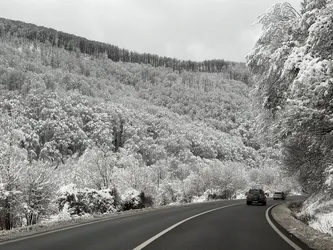
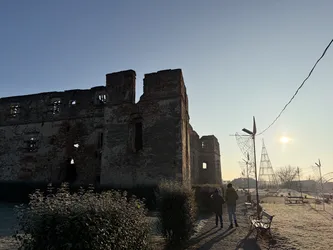
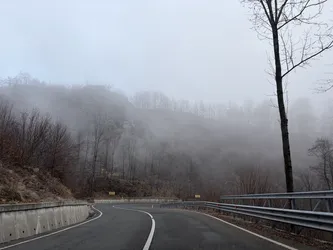
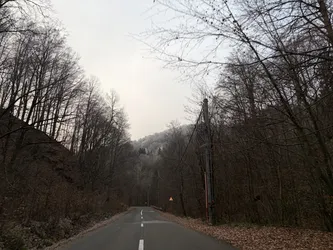
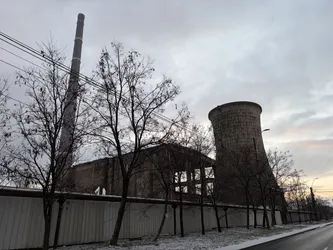
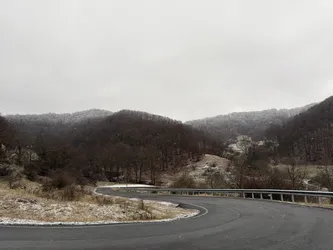
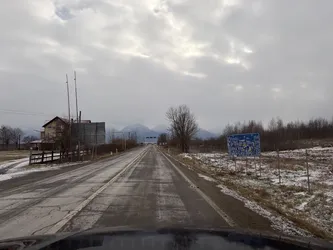
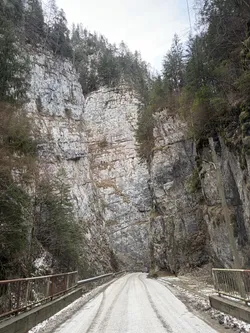
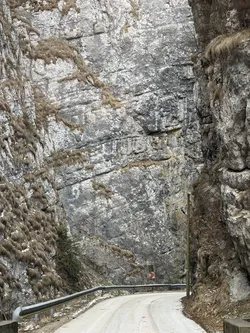
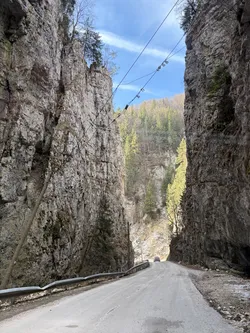
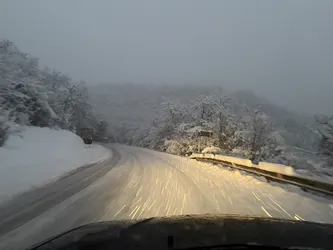
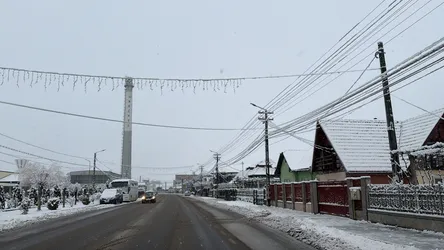
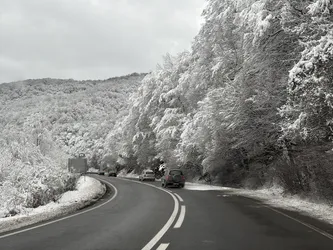
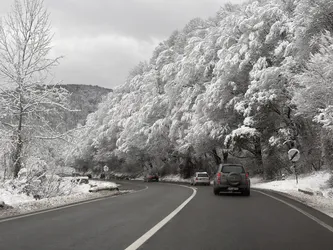
Driving along the scenic DN18, a mountain road full of serpentines and panoramic viewpoints, we arrived near Baia Mare for our next overnight stay. The city is known for its mining heritage, symbolized by the iconic Baia Mare Chimney—once one of the tallest structures of its kind in Europe at 351 meters. Built for the local non‑ferrous metal smelter, it became a landmark of industrial Romania before the plant’s decline in the 1990s.
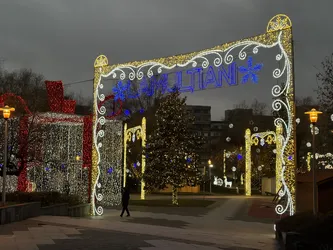
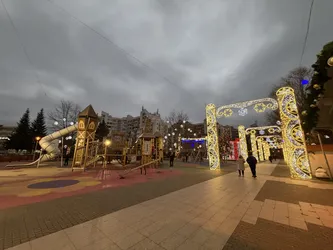
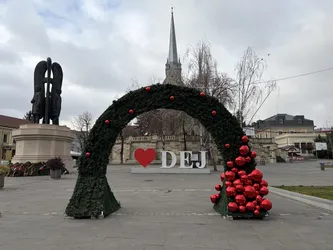
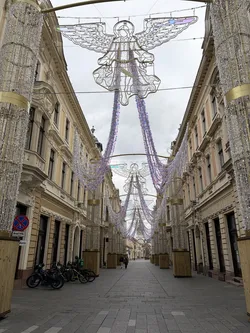
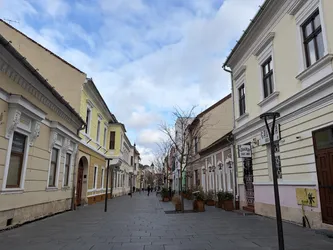
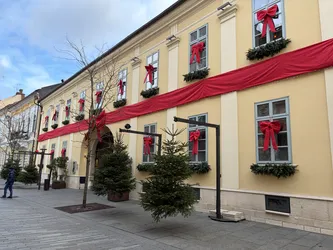
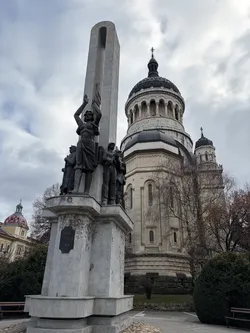
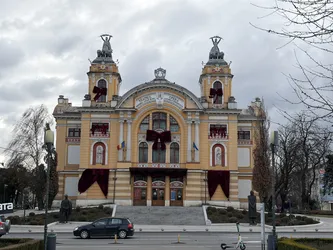
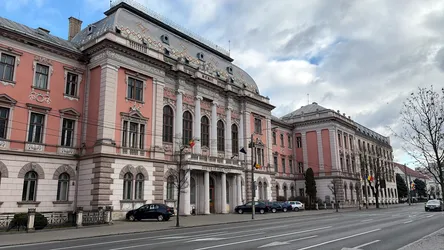
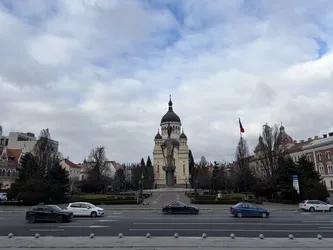
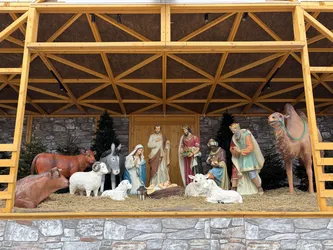
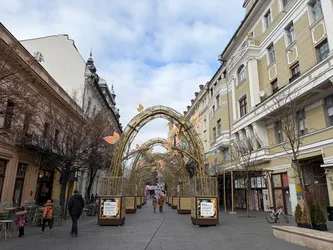
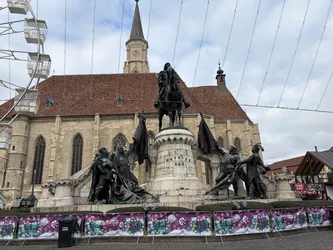
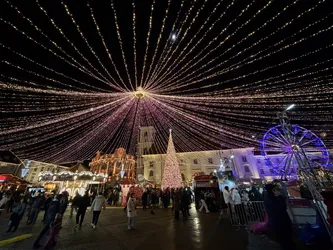
The following day we continued toward Cluj‑Napoca, stopping first in the charming town of Dej, whose central square preserves a mix of Baroque and neoclassical architecture. In Cluj, we visited the festive Christmas market and wandered through narrow streets decorated with lights, enjoying the lively atmosphere of Transylvania’s unofficial capital.
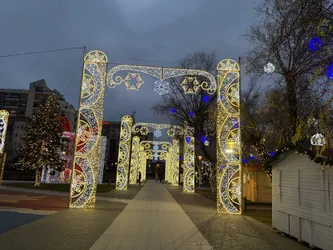
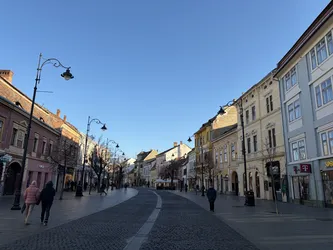
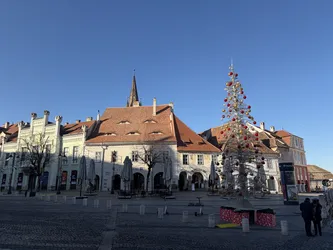
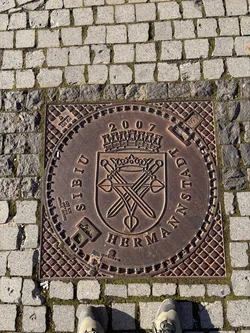
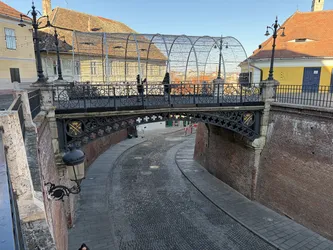
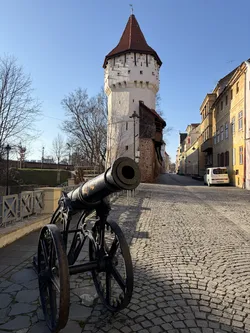
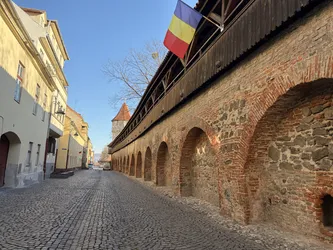
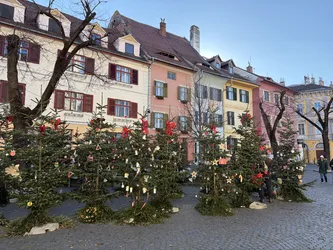
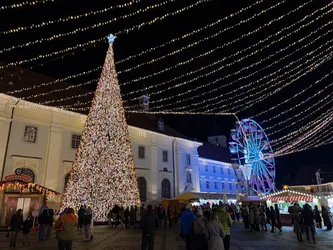
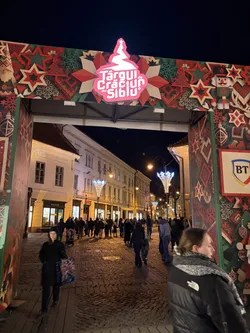
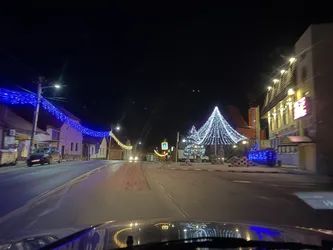
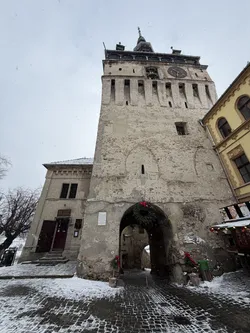
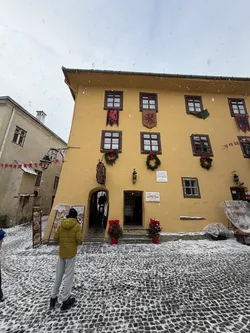
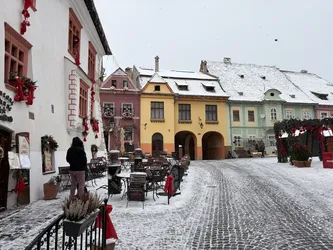
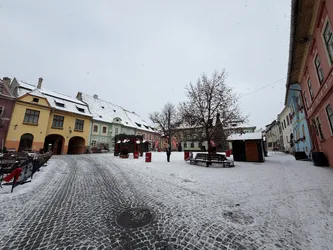
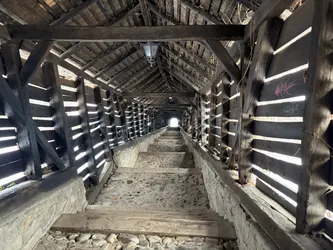
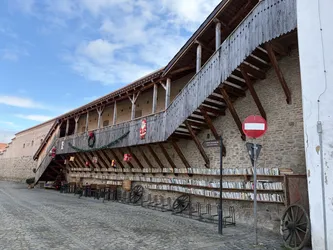
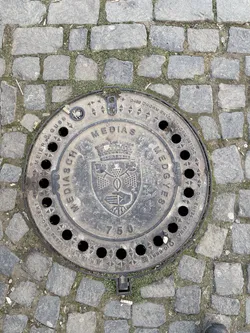
Our base for the next few days was Mediaș, one of the oldest towns in Transylvania, known for its fortified churches and medieval towers. The next morning we set out to visit Sibiu, a city I remembered fondly from my 2008 trip. Romania has transformed dramatically over the past two decades, and Sibiu—once the European Capital of Culture—showcases this progress with its restored squares, colorful facades, and vibrant cultural life. Another Christmas market, beautifully illuminated streets, and lively crowds made the visit especially memorable.
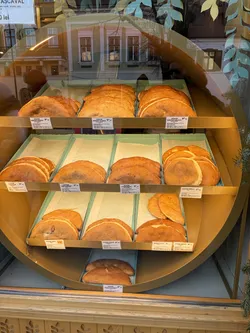
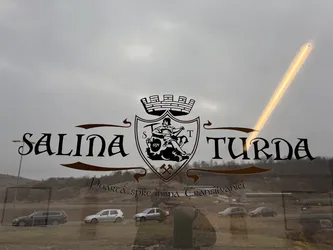
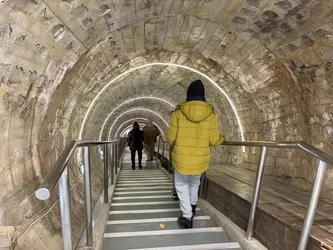
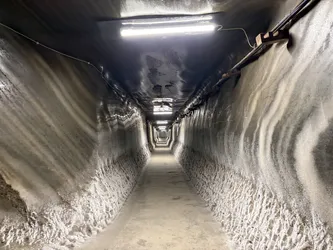
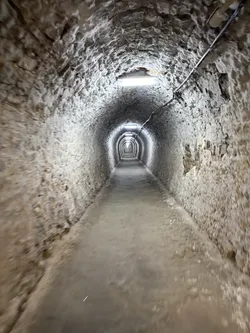
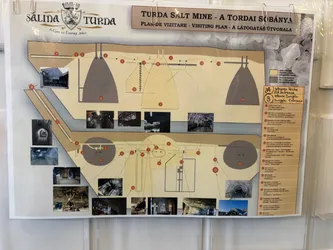
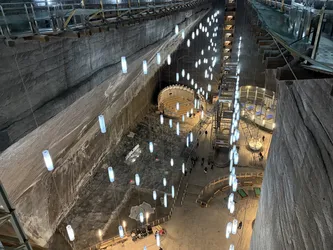
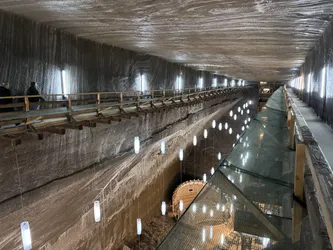
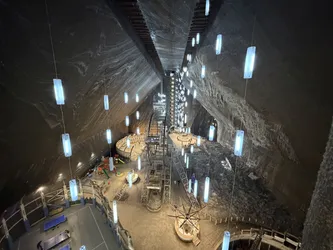
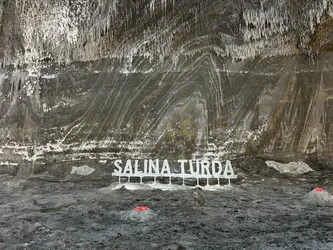
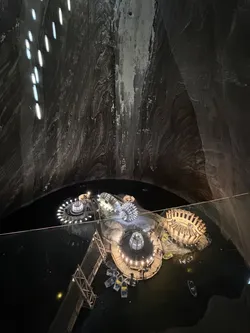
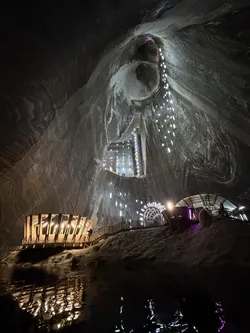
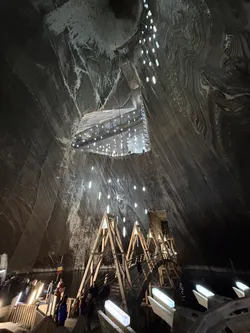
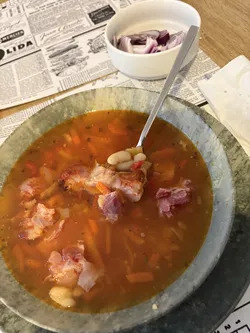
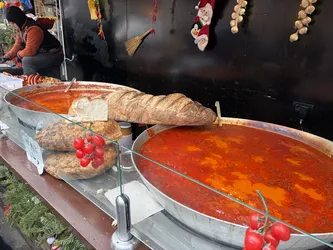
With the weather worsening, we dedicated the next day to exploring Salina Turda, an extraordinary underground salt mine dating back to the Middle Ages. Today it functions as a spectacular subterranean attraction, complete with vast caverns, salt‑crystal formations, and even an underground lake. Afterwards, we visited Alba Iulia, where we enjoyed a delicious meal including ciorbă de fasole—I adore Romanian soups and try them whenever I can. Alba Iulia’s star‑shaped Vauban fortress, Cetatea Alba Carolina, is one of the most impressive fortifications in Eastern Europe.
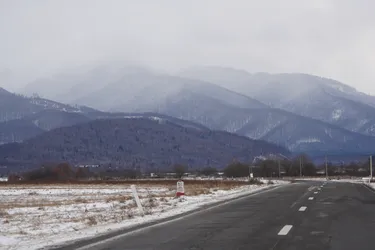
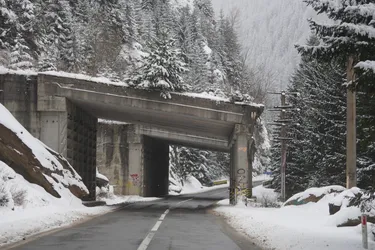
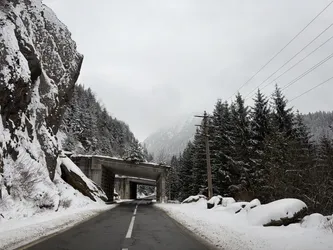
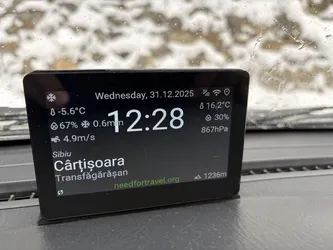
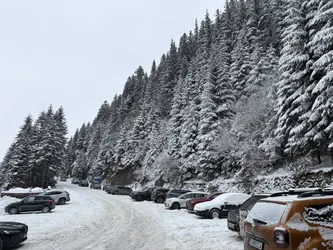
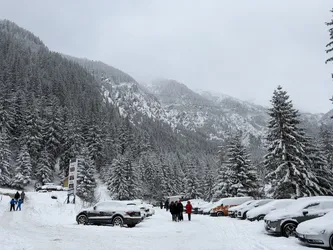
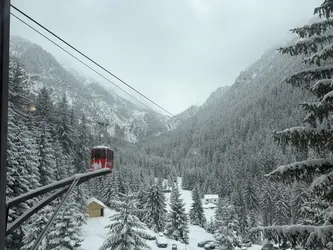
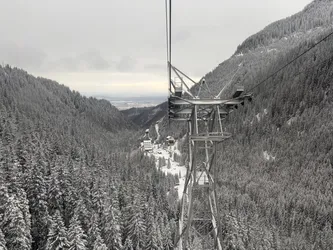
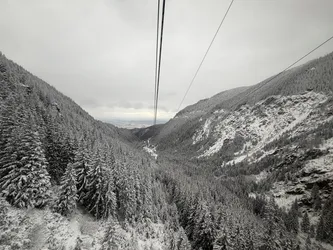
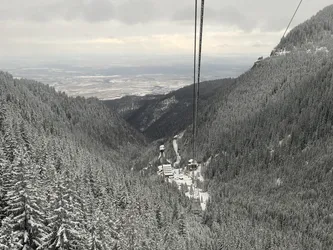
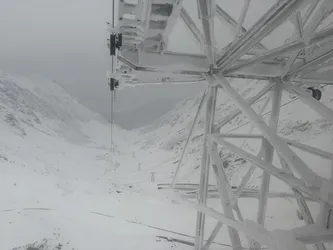
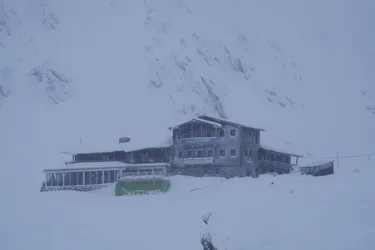
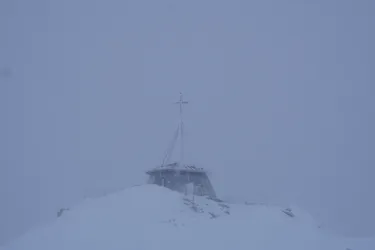
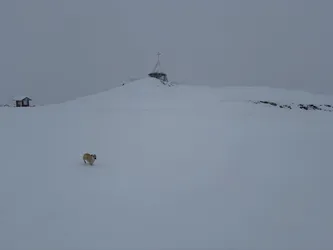
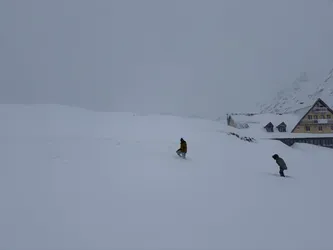
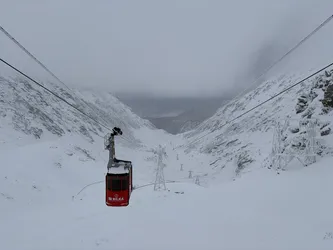
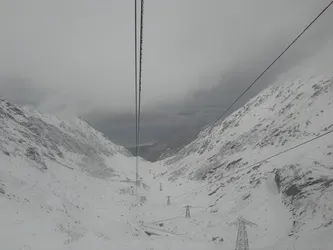
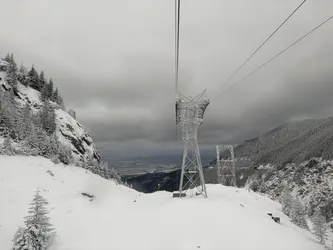
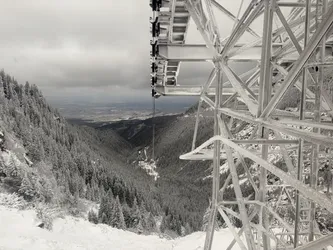
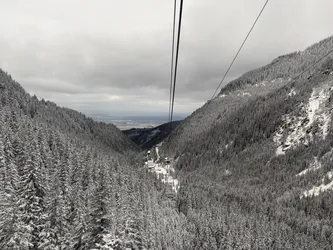
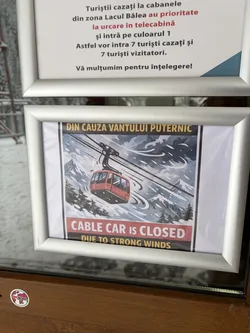
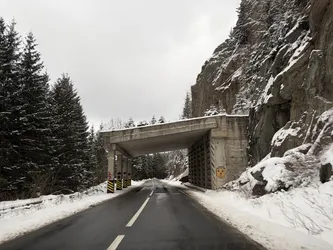
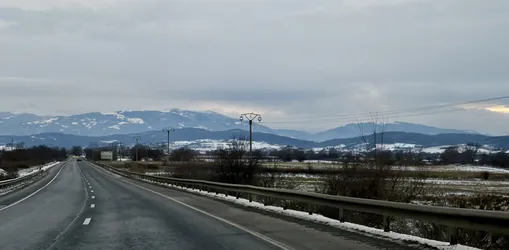
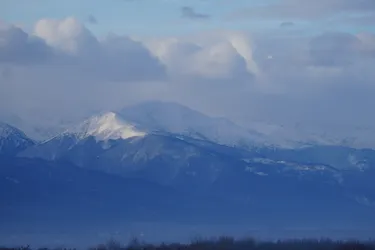
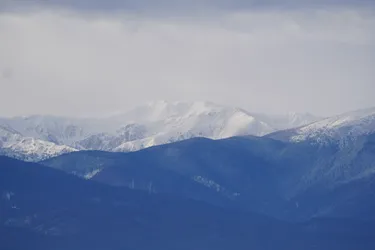
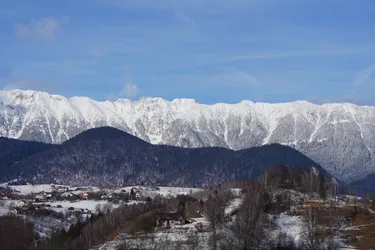
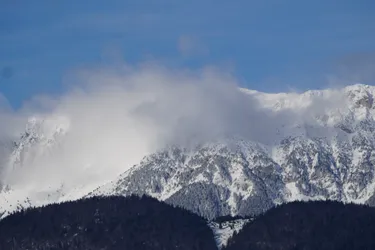
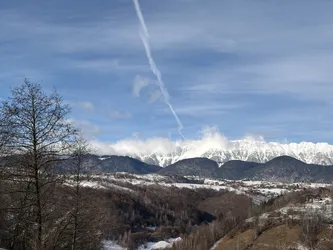
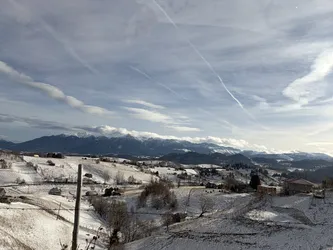
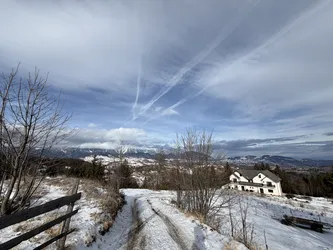
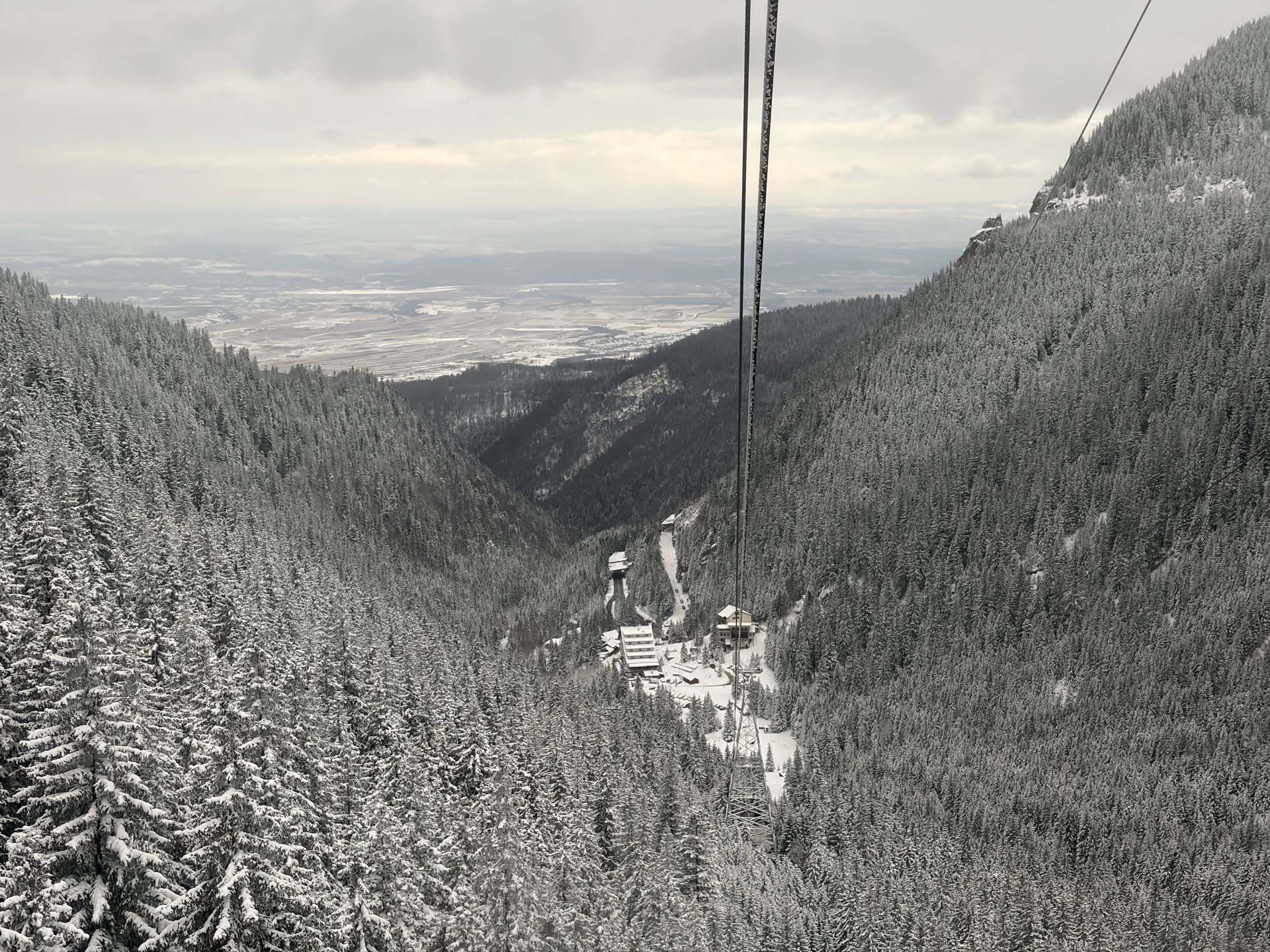
On New Year’s Eve, we decided to climb a small peak along the legendary Transfăgărășan. In winter, the road is closed for most of its length, but we took the cable car to reach as high as possible. The views of the Făgăraș Mountains covered in deep snow were breathtaking—an unforgettable experience of true winter wilderness.
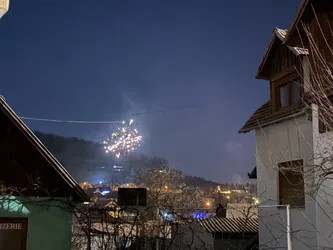
On New Year’s Day, we stayed in Mediaș, exploring the quiet streets and struggling to find anything open for food—everything was closed for the holiday.
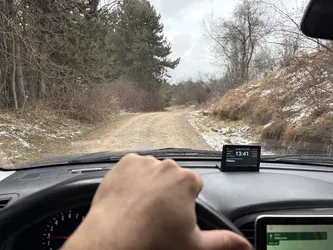
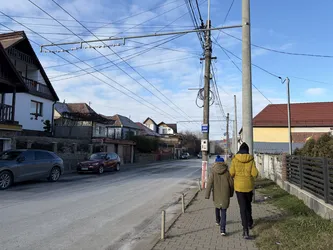
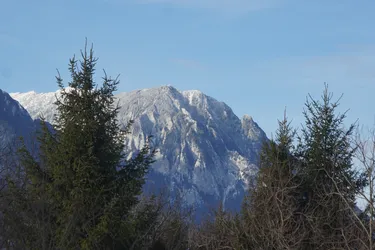
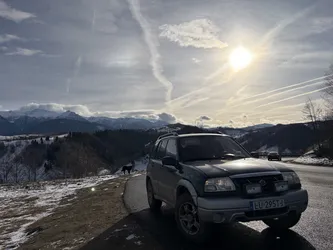
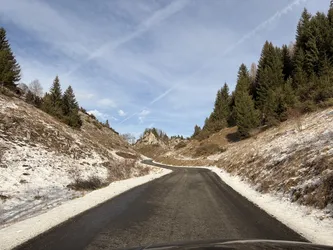
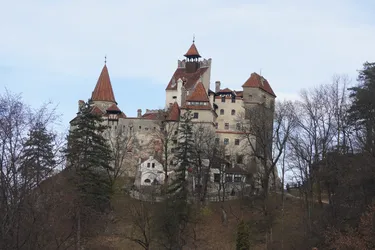
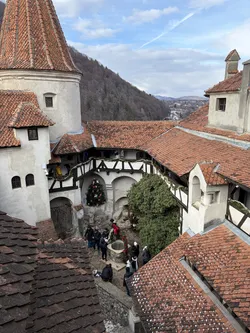
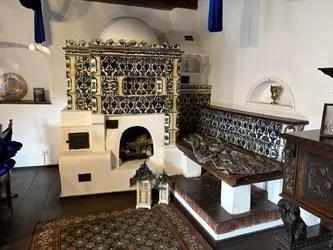
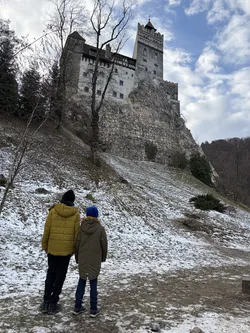
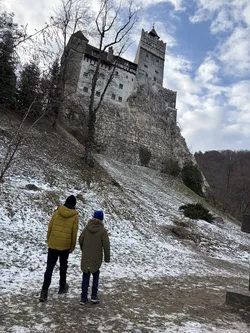
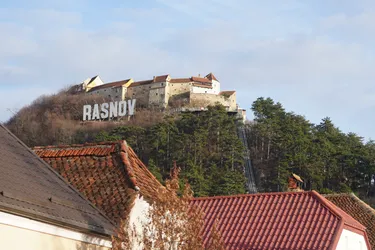
The next morning, we headed toward Bran, choosing the most scenic routes available. The castle itself is picturesque from the outside, perched dramatically on a rocky hill, but the interior felt somewhat disappointing and overly commercialized.
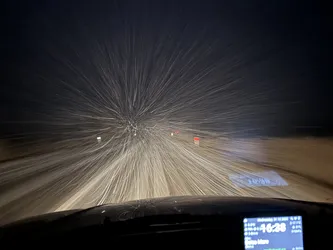
We hoped to visit Brașov as well, but heavy traffic, worsening weather, and the long distance to our accommodation forced us to postpone it for another trip.
Our return journey was split into two days, with a relaxing stop at Aquaticum Mediterrán Élményfürdő and an overnight stay in Nyíregyháza, right in the heart of the old town.
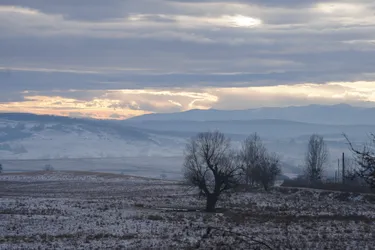
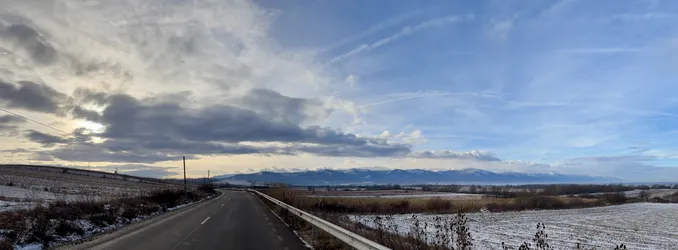
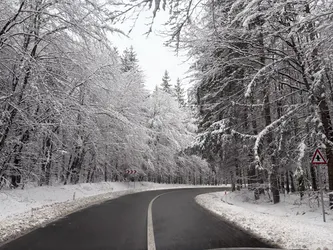
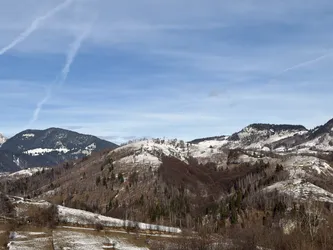
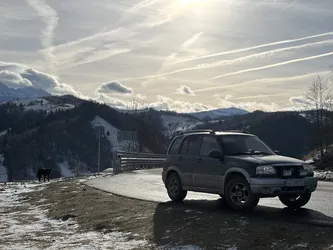
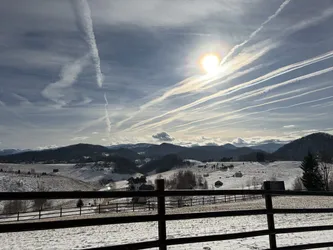
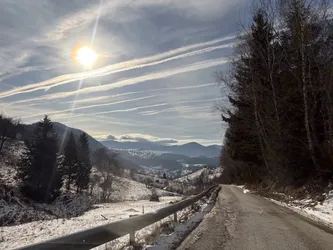
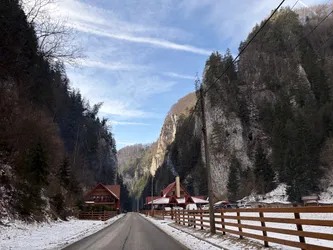
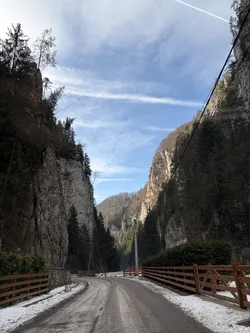
It was a wonderful Christmas and New Year getaway—full of winter landscapes, history, culture, and the warm charm of Romania.
Map of this trip:
Trip Photos: