1529 km
Distance tracked
6 days
Trip duration
4×4
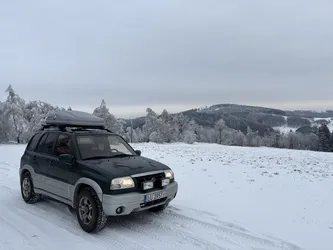
Vehicle
Room
Accommodation
Riese
During the winter school break we set off for a week-long journey through Lower Silesia. Our first stop was Wałbrzych, a city shaped by its mining past and surrounded by dramatic hills. Its post‑industrial character and revitalized districts offered a fitting introduction to the atmosphere of the region.
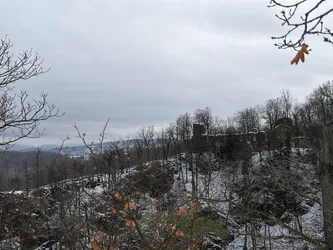
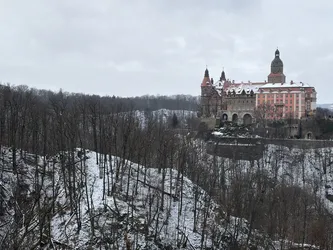
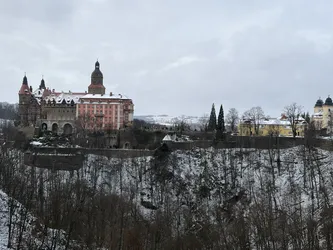
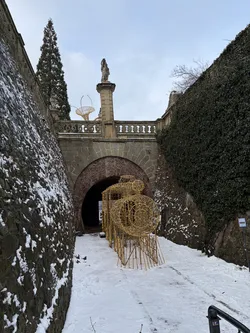
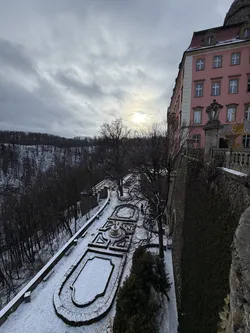
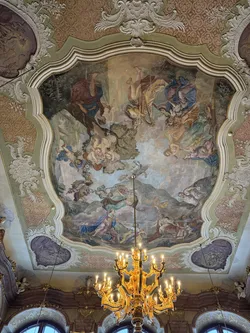
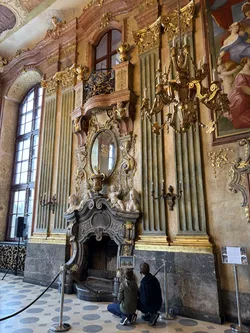
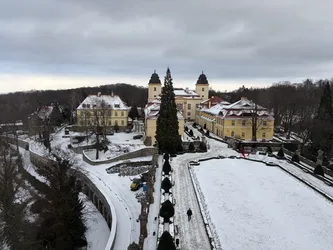
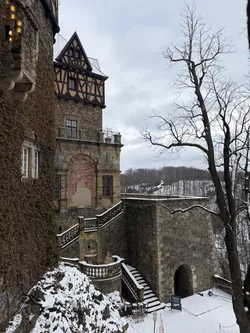
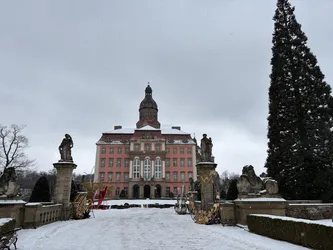
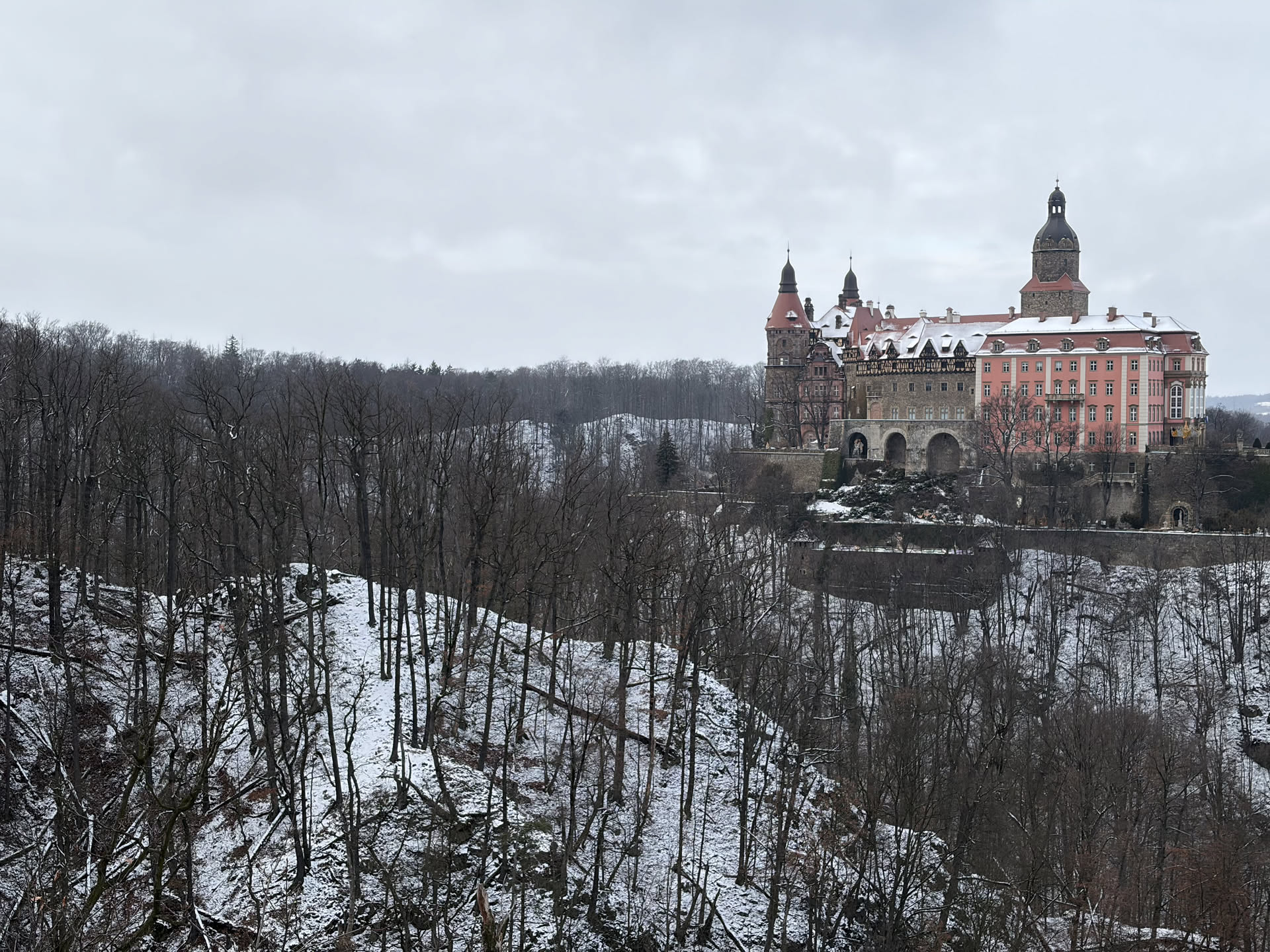
Just outside the city we visited Zamek Książ, one of Poland’s most impressive castles. Rising above the deep Pełcznica gorge, the castle blends medieval foundations with Baroque and early‑20th‑century interiors. Walking through its terraces and richly decorated halls, we encountered traces of the Hochberg family’s legacy as well as the darker chapter of Nazi occupation, when the castle became part of the mysterious Riese project.
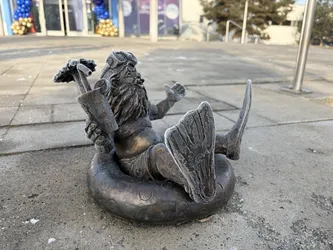
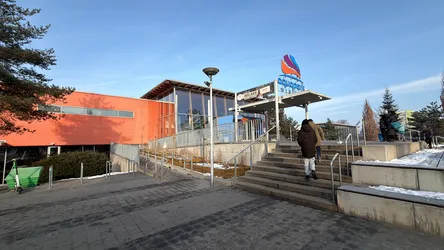
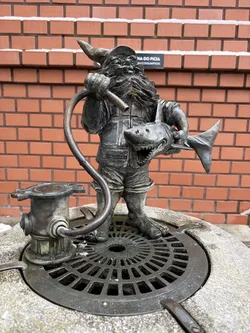
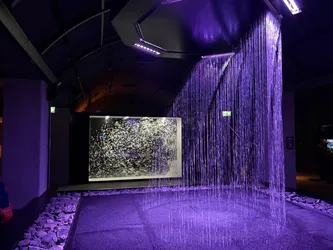
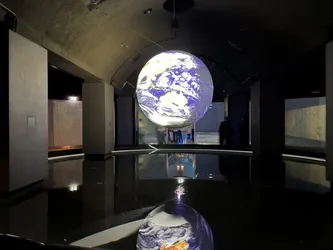
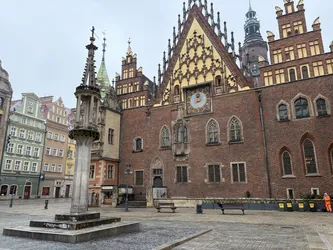
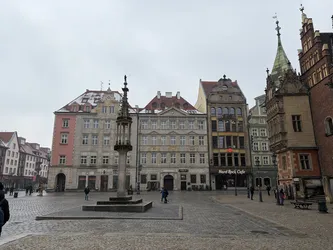
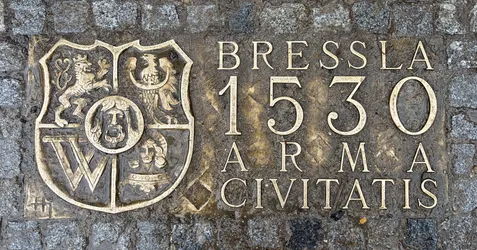
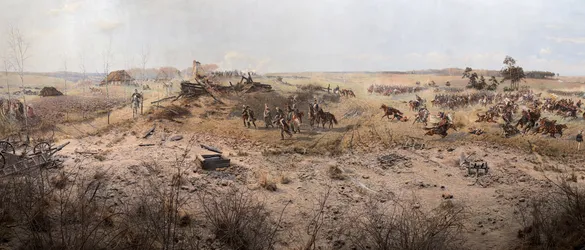
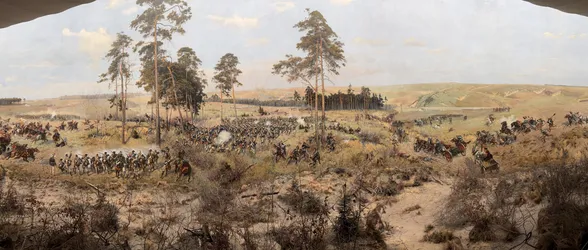
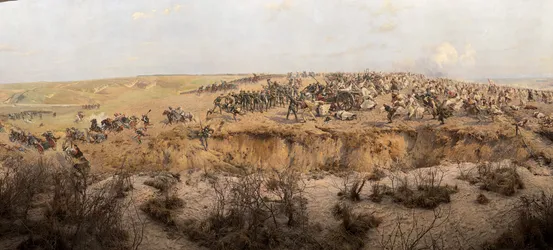
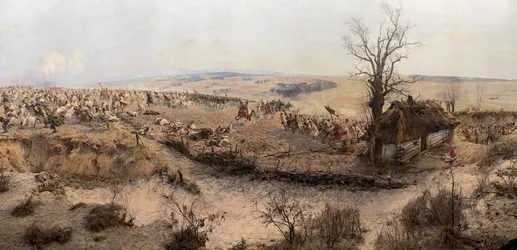
The next day we headed to Wrocław, one of Poland’s most vibrant cities. We began with the monumental Panorama Racławicka, an immersive 19th‑century cycloramic painting depicting the Battle of Racławice. From there we wandered through Ostrów Tumski, the oldest part of the city, with its cathedral towers, cobbled streets, and gas lanterns still lit by hand each evening. Later we visited Hydropolis, a modern and beautifully designed science center dedicated entirely to water. Throughout the day we kept encountering Wrocław’s famous Krasnale—tiny bronze dwarfs hidden across the city, each with its own charm and story.
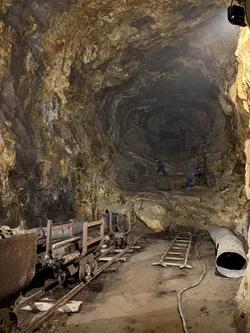
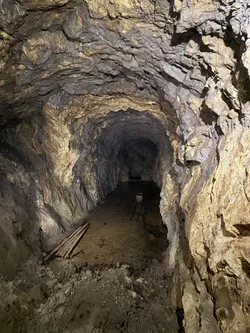
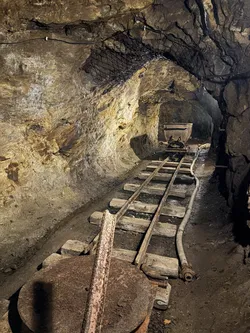
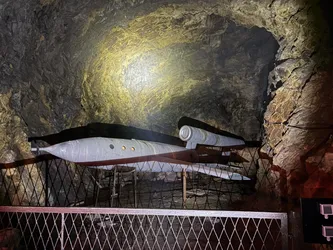
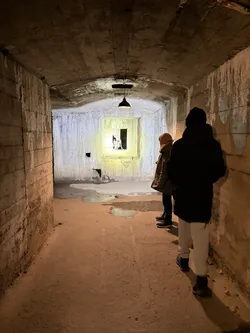
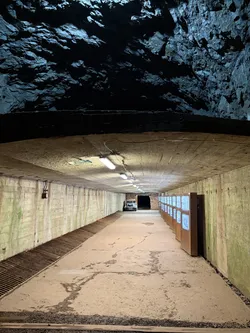
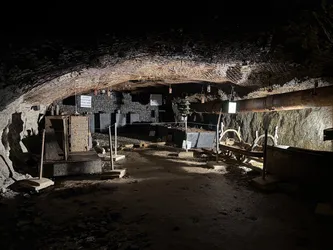
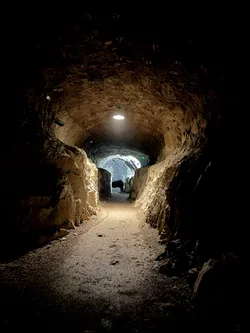
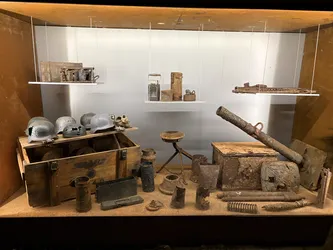
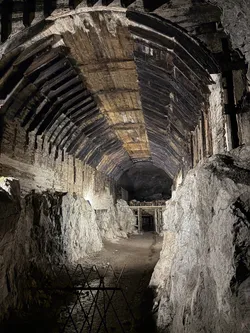
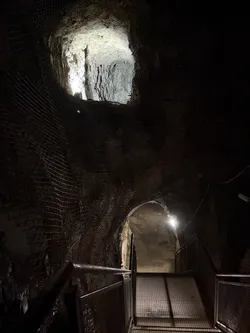
After exploring the city, we turned toward the Góry Sowie (Owl Mountains), the heart of the enigmatic Riese complex. Our first underground destination was Osówka, a vast network of tunnels and unfinished halls carved into the mountain during World War II. The scale of the construction and the unanswered questions surrounding its purpose create a haunting atmosphere. We continued to Sztolnia Walicka, another part of the Riese system, offering a different perspective on the underground works and the harsh conditions endured by forced laborers.
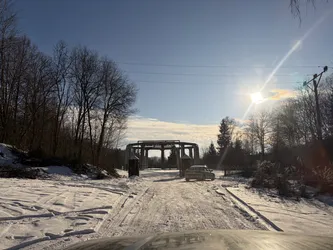
We also visited the unusual concrete structure known as Muchołapka, a circular building whose purpose remains the subject of speculation and local legends. Surrounded by forest and wartime remnants, it added yet another layer of mystery to the trip.
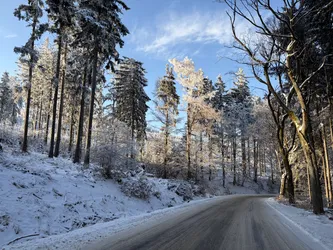
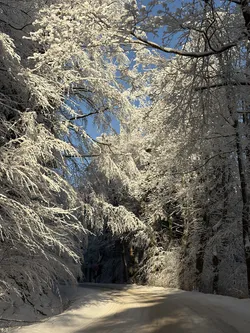
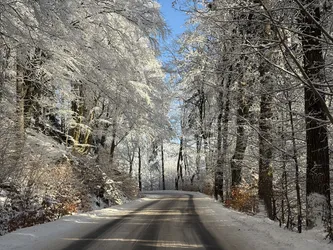
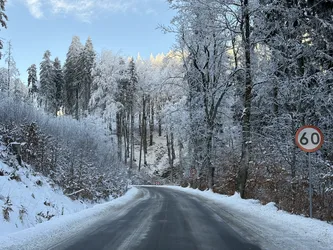
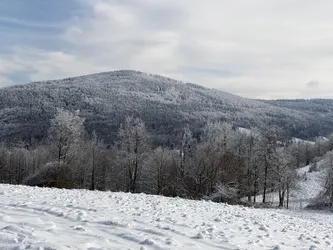
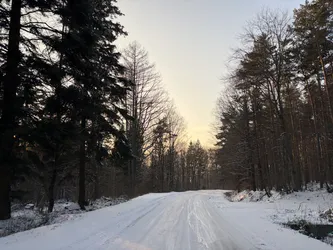
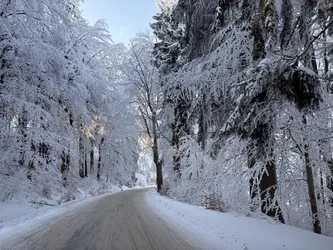
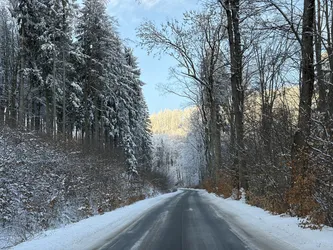
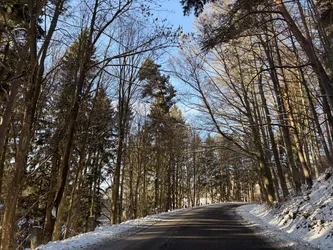
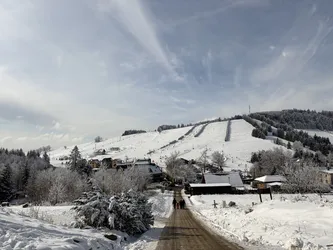
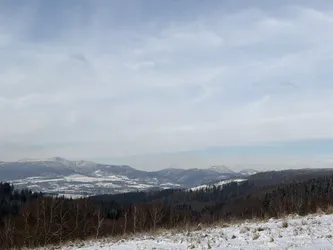
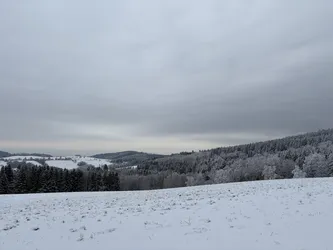
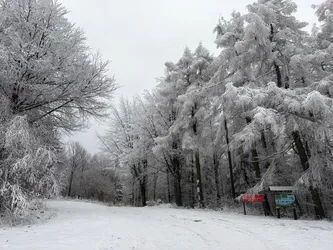
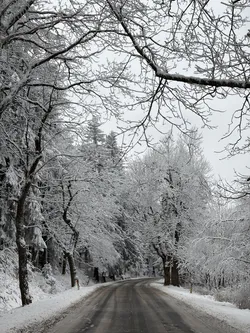
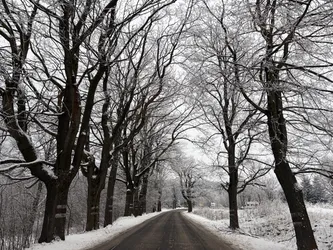
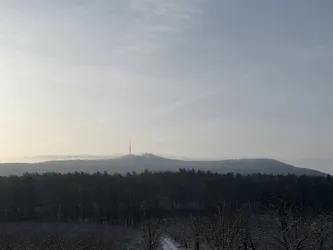
Driving through the rugged slopes of the Owl Mountains, we were surrounded by dense forests, steep valleys, and traces of history hidden among the trees. The combination of nature, engineering, and unresolved wartime secrets gives this region a unique atmosphere.
It was a memorable winter break—full of underground exploration, historical puzzles, and the lively charm of Wrocław. Lower Silesia once again proved to be a place where every corner hides a story.
Map of this trip:
Trip Photos: